
Dvorak Stabat Mater
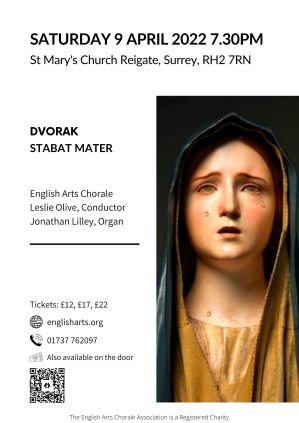
Antonin Dvorak (1841-1904)
was one of the first Czech composers to achieve worldwide recognition. Dvořák frequently employed rhythms and other aspects of the folk music of Moravia and his native Bohemia, following the Romantic-era nationalist example of his predecessor Bedřich Smetana.
His setting of the Stabat Mater was his first piece of a religious nature, and was premièred in Prague in 1880. It was very successfully performed in London in 1883, leading to many other performances in the United Kingdom and United States
Stabat Mater
The Stabat Mater is a 13th-century Christian hymn to Mary, which portrays her suffering as Jesus Christ's mother during his crucifixion. Its author is thought to be either the Franciscan friar Jacopone da Todi or Pope Innocent III. The title comes from its first line, Stabat mater dolorosa, which means "the sorrowful mother was standing".
Antonín Dvořák's Stabat Mater, Op. 58 (B. 71), is an extended setting for vocal soloists, choir and orchestra of the 20 stanzas of the Stabat Mater sequence. Dvořák sketched the composition in 1876 and completed it in 1877. It has been characterized as a sacred cantata and as an oratorio, and consists of ten movements of which only the first and the last are thematically connected. Its total performance time is around 85 minutes.
The work was first performed in Prague in 1880. N. Simrock published Dvořák's Op. 58 in 1881, and in 1882 Leoš Janáček conducted a performance of the work in Brno. The work was performed in London in 1883, and again, in the Royal Albert Hall, in 1884, and thus played a crucial role in Dvořák's international breakthrough as a composer. In the 21st century the Stabat Mater continues to be Dvořák's best known, and most often performed, sacred work.
St Mary's Church Organ
"Nicholson & Co., of Malvern, have undertaken a complete restoration of the 1911 Norman & Beard organ.
The action is being converted from pneumatic to electro-pneumatic throughout. The existing en fenêtre console is being restored without alteration to its playing aids or period appearance. A new mobile console of modern Nicholson & Co. design, with a full complement of modern playing aids, will be added.
In the 1960s, Hill, Norman & Beard replaced a Vox Humana on the Swell Organ with a Larigot 11/3‘, and replaced a Cor Anglais on the Choir Organ with a Block Flute 2’. The Larigot has been discarded, and a second-hand 1910 Norman & Beard Vox Humana has been restored to be installed in its place. The Block Flute was found to complement the tonal scheme so is being retained."
Click here for a complete spec ►
You can see Nicholson & Co.'s photographic record of the restoration here ►
Meet our wonderful soloists!
Olivia Boen, soprano
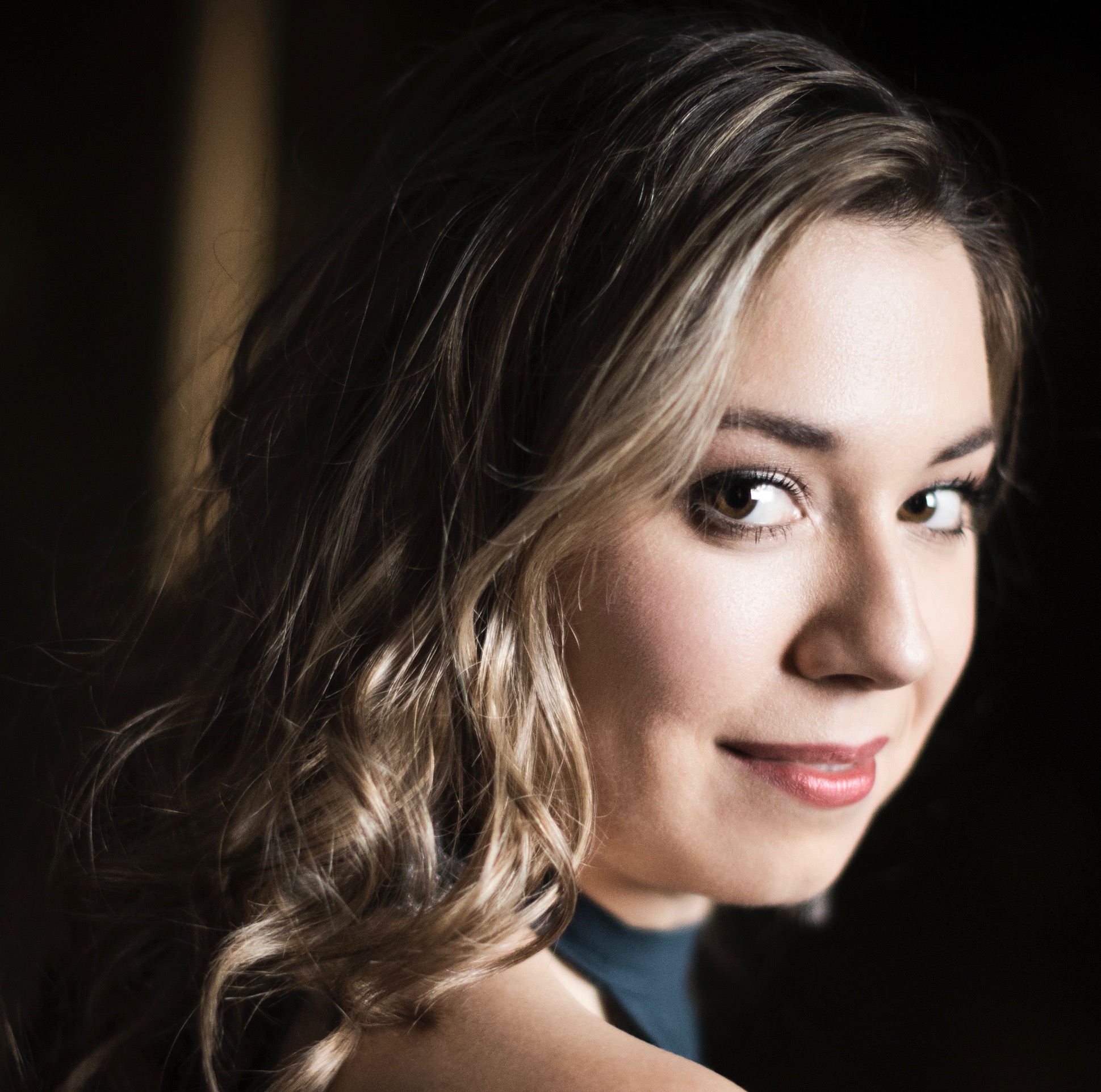
Olivia graduated from the Opera Course at the Guildhall School of Music and Drama in 2021, where she received a Distinction mark for both her Artist Masters and Artist Diploma degrees, and is a 2017 alumna of Oberlin Conservatory.
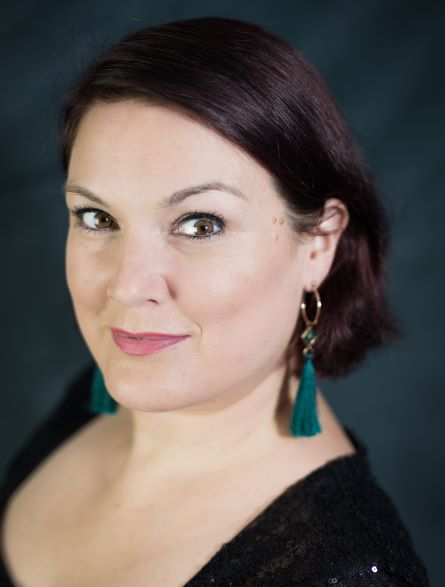
Miriam Sharrad, mezzo-soprano
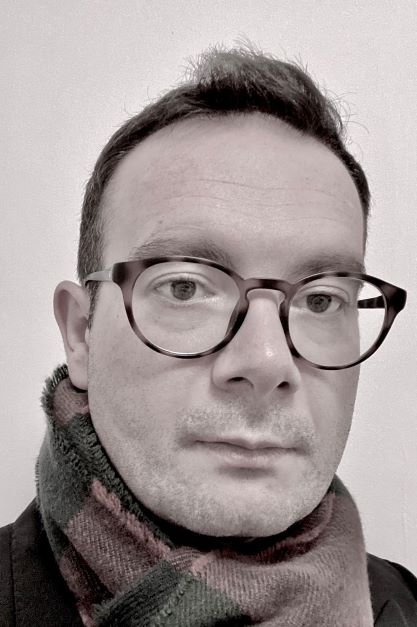
Mark Hounsell, tenor
Mark Saberton, baritone
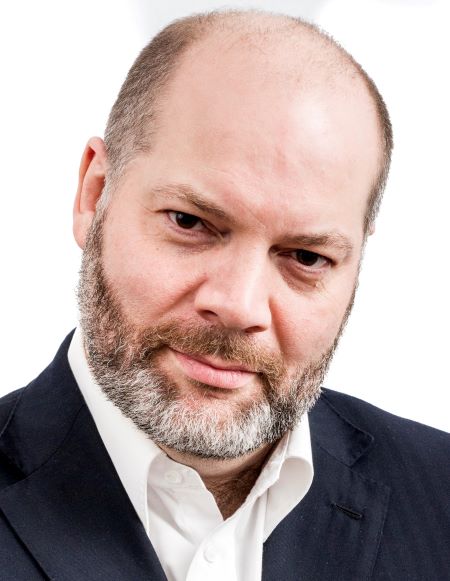
Jonathan Lilley, organist
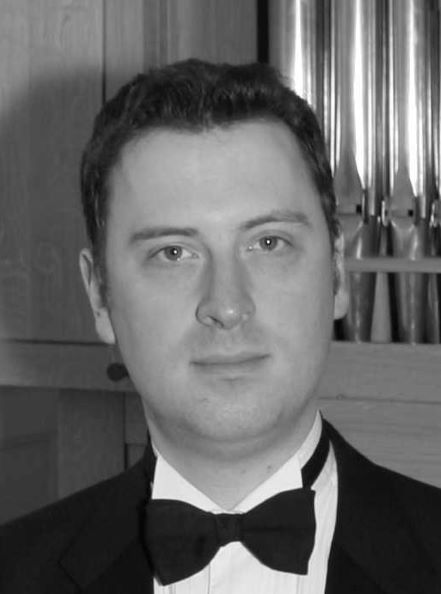
Jonathan later moved to Ely Cathedral as full-time Assistant Organist, accompanying and helping to train and run the cathedral choir of boys and men. He accompanied the choir on BBC broadcasts, on CD and on overseas tours as well as in the course of daily worship. He performed Poulenc’s organ concerto with City of London Sinfonia live on BBC Radio 3, and occasionally entertained the cathedral community with improvised accompaniments to classic silent films.
Since September 2013 Jonathan has been Director of Music at Waltham Abbey, Essex, where he leads the mixed adult choir and a flourishing children’s choir known as the Choristers. Having London on the doorstep he is in demand for all manner of keyboard accompaniment work, and is accompanist to the Waltham Singers of Chelmsford as he was to the English Baroque Choir until joining EAC in 2020.