MESSIAH
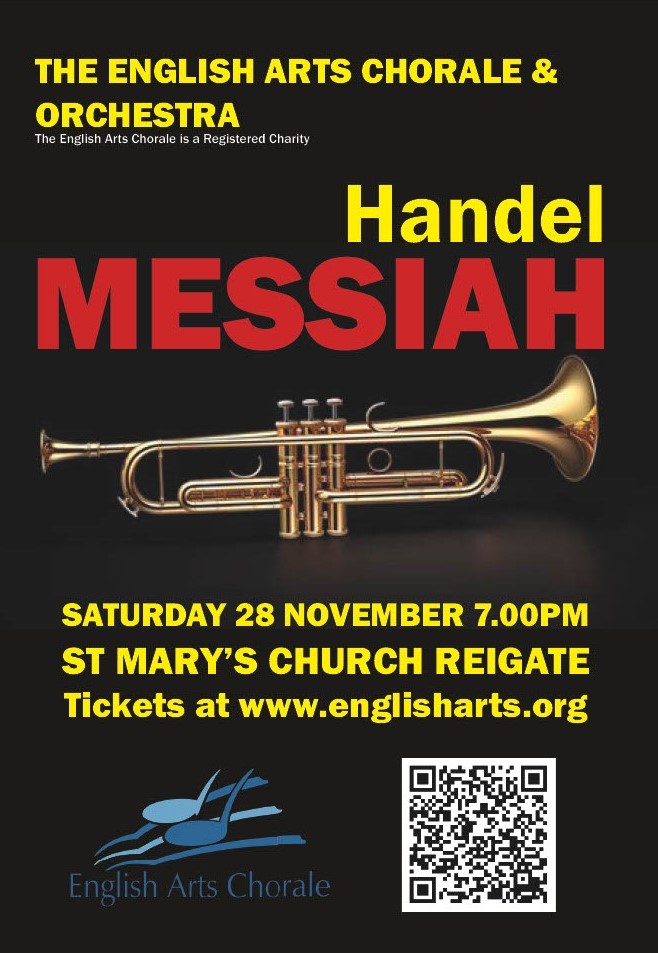
Handel's Messiah
It is impossible to know the exact number of times George Frideric Handel's Messiah has been performed worldwide since its premiere in Dublin in 1742, however there has not been a single year where the piece has failed to be performed somewhere in the world.
While the live total is unquantifiable, hundreds of official recordings and thousands of institutional concerts—such as the Handel and Haydn Society (over 450 performances) and Carnegie Hall (386 performances)—document its enduring appeal to singers and audience.
The music for Messiah was completed in 24 days of swift composition. Having received the librettist's text some time after 10 July 1741, Handel began work on it on 22 August. His records show that he had completed Part I in outline by 28 August, Part II by 6 September and Part III by 12 September, followed by two days of "filling up" to produce the finished work on 14 September. This rapid pace was seen by Jennens (the librettist) not as a sign of ecstatic energy but rather as "careless negligence", and the relations between the two men would remain strained, since Jennens "urged Handel to make improvements" while the composer stubbornly refused.
The original manuscript for Messiah is now held in the British Library's music collection. It is scored for two trumpets, timpani, two oboes, two violins, viola, and basso continuo.
In the years after his death, the work was adapted for performance on a much larger scale, with giant orchestras and choirs numbering up to 800 performers.
Our performance will use orchestral forces somewhere between these two extremes.
(with thanks to Wikipedia)
Premium Seating - in the first three rows of the nave, with a cushioned seat, extra legroom and a complimentary programme - £28 SOLD OUT
Nave Seating - £24
Aisle Seating - £18
Full-time students & under-25s £9 (proof required)
As usual, there is no charge for essential carers accompanying the disabled.
Parking & Access
Parking near St Mary's Church is limited, and visitors are advised to allow plenty of time to find a space. There are some spaces opposite in front of the prep school and the church centre - other than that, there is parking on the surrounding streets, and there are two car parks nearby in Reigate centre, in Bell Street and in Bancroft Road. Both car parks are open 24hrs, and both are free after 6pm. It's a ten minute walk to the Church, down the footpath from Church Street to Chart Lane. Please note parking on the road directly outside the church is time-limited.
There are two parking bays for the disabled by the lych gate in Chart Lane (limited to 3 hours), and a slightly sloping uneven path up to the west door of the church. No steps into the church, but a few bumps over the threshhold into a flat seating area in the nave. There is a toilet for the disabled on the same level.
Soloists
Lillian Noble soprano
Ruby Bak alto
Sam Leggett tenor
Rodney Earl Clarke bass
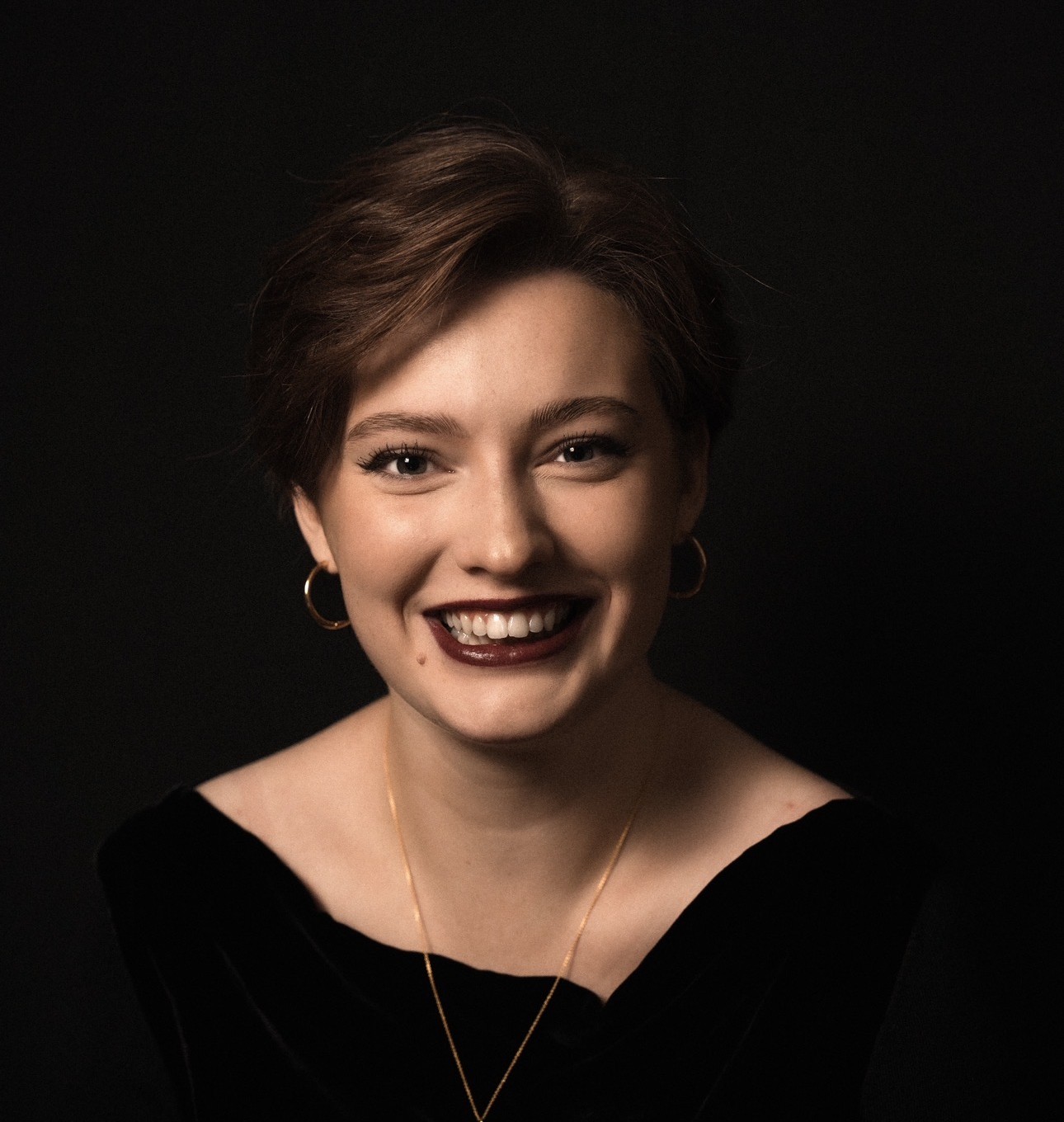
Lillian Noble, soprano
English soprano Lillian Noble is currently studying for her MA at The Royal Academy of Music with Susan Waters and Chad Vindin. Recent roles include Ivy (Broken Ivy) as part of the Tête à Tête Opera Festival, Patience (Patience) with Grosvenor Light Opera Company at Buxton Opera House, and Ariane (Ariane et Barbe-Bleue) as part of RAO scenes in October 2026.
Lillian has also recently performed Rossini’s Petite Messe Solonnelle with Stafford Choral Society, and is pleased to join the English Arts Chorale for Messiah.
She is also one of the National Opera Studio’s resident assistant directors for the 26/27 season.
Ruby Bak, mezzo soprano
Ruby Bak is a graduate of the Royal Academy of Music, where she was an ABRSM Scholar. Experienced in oratorio, she has sung works by composers including Rachmaninov, Elgar, Bach, and Handel, and as soloist in the English Chamber Otchestra's premiere of Holst's The Cloud Messenger. Her operatic roles include Carmen, Fox (The Cunning Little Vixen), Miss Jessel (The Turn of the Screw), L'Enfant, and Hansel. She previously studied at King's College London, and performed at major venues including St Paul's Cathedral and St John's Smith Square.
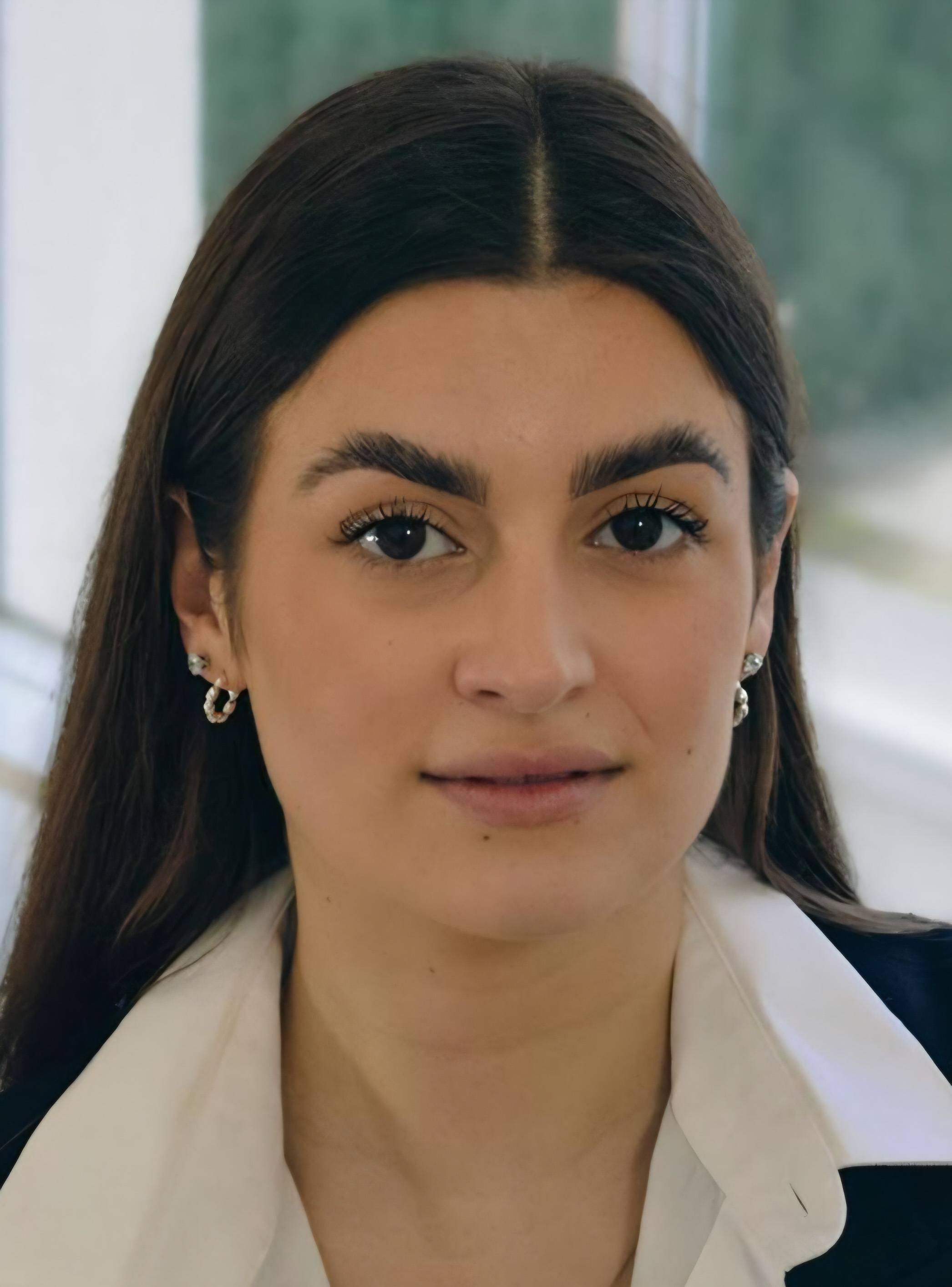
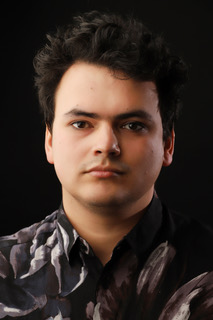
Sam Leggett, tenor
Sam Leggett is an English tenor based in London. He began singing in 2002 with the renowned boys’ choir Libera and went on to study at Bristol University with Angela Hickey, and the Royal Conservatoire of Scotland with Scott Johnson.
Sam made his professional operatic debut in 2022, and was praised in Opera magazine for his portrayal of the Huntsman in London Armenian Opera’s 2024 production of Terterian’s The Ring of Fire. On the concert platform, his recent solo engagements include Bach’s St John Passion (Worcester Cathedral Choir), Puccini’s Messa di Gloria (Ryde Chorus), Bach’s Easter Oratorio, and Britten’s Saint Nicolas (Fulham and Hammersmith Choral Society).
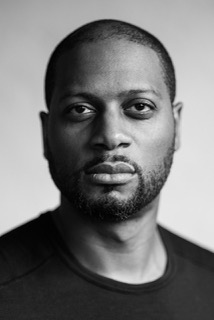
Rodney Earl Clarke, bass
Hailed by Gramophone as a “singer to be watched”, Rodney Earl Clarke is one of the UK’s most versatile baritones, with a career spanning opera, concert, musical theatre and television. A graduate of the Royal Academy of Music, he has performed internationally with leading opera companies and orchestras, including the Berlin Philharmonic in Porgy and Bess.
His concert engagements include solo performances in Bach’s St Matthew Passion at the Barbican and appearances at the BBC Proms. Following his Wigmore Hall debut, Rodney has continued to establish himself as a compelling recitalist, collaborating with pianist Marina Savova including performances at the Purcell Room, Southbank Centre.
His operatic credits include English National Opera, Opéra de Lyon and the Royal Danish Opera, alongside three years in the West End production of Les Misérables. Equally at home in baroque and contemporary repertoire, Rodney brings dramatic insight and expressive depth to every performance.